
Nootropics UK: Guide to Smart Drugs and Cognitive Enhancers
What Are Nootropics?
Nootropics are substances studied for their potential to support cognitive function, including memory, concentration, learning, mental clarity, and alertness. They may include naturally occurring compounds, dietary supplements, and certain prescription medicines used for specific medical conditions.
Often referred to as cognitive enhancers or “smart drugs,” nootropics have become increasingly popular among students, professionals, and individuals interested in supporting brain health and mental performance.
Best-Selling Nootropics in the UK
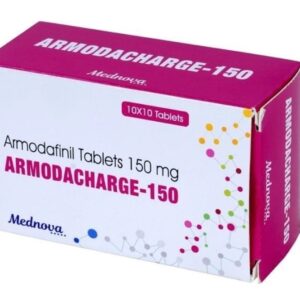


The Origin of the Term “Nootropic”
The term “nootropic” was introduced in 1972 by Romanian psychologist and chemist Dr. Corneliu E. Giurgea. He proposed that a substance should meet several characteristics before being classified as a true nootropic.According to his original concept, a nootropic should:
- Support learning and memory.
- Help maintain brain function during stressful or challenging conditions.
- Protect brain cells from certain forms of physical or chemical damage.
- Enhance normal cognitive processes.
- Demonstrate a favorable safety profile with minimal side effects when used appropriately.
Modern research has expanded considerably since Giurgea’s original definition, and today the term “nootropic” is often used more broadly for substances associated with cognitive support.
What Are Nootropics Used For?
Nootropics are primarily studied for their potential role in supporting cognitive performance rather than treating a single condition. Research has explored their effects on areas such as:
- Memory
- Learning
- Concentration
- Mental alertness
- Attention
- Cognitive processing
- Mental endurance
Some prescription medicines that are sometimes described as nootropics have approved medical uses for conditions such as attention disorders or certain sleep disorders. These medicines should only be used under medical supervision and for approved indications.

Types of Nootropics
Nootropics are commonly divided into two broad categories:
Natural Nootropics
Natural nootropics are derived from plants, foods, or naturally occurring compounds. Examples that have been studied include:
- L-Theanine
- Omega-3 fatty acids
- Bacopa monnieri
- Rhodiola rosea
- Ginkgo biloba
- Panax ginseng
These ingredients are widely researched for their potential role in supporting cognitive wellness, although evidence varies between products.
Synthetic Nootropics
Synthetic nootropics are laboratory-developed compounds or prescription medicines investigated for their effects on cognition. Some have approved medical uses, while others remain the subject of ongoing research.Their availability, legal status, and approved uses vary by country, and many require medical supervision.
How Do Nootropics Work?
Scientists continue to study how different nootropics affect the brain. Because cognitive function is extremely complex, no single mechanism explains every aspect of nootropics.Current research suggests that different substances may influence cognition through mechanisms such as:
Supporting Brain Energy
The brain requires a significant proportion of the body’s energy. Some nootropics are investigated for their ability to support normal cellular energy production.
Influencing Neurotransmitters
Some substances may affect neurotransmitters involved in learning, attention, and memory. These chemical messengers help brain cells communicate with one another.
Supporting Healthy Blood Flow
Healthy circulation contributes to the delivery of oxygen and nutrients throughout the body, including the brain.
Supporting Brain Cell Function
Certain ingredients are being researched for their potential to support healthy neuronal function and communication.
Antioxidant Activity
Some natural nootropics contain antioxidant compounds that may help protect cells from oxidative stress.
How Long Do Nootropics Take to Work?
The onset and duration of effects vary considerably depending on:
- The specific ingredient
- The formulation
- The dosage
- Individual physiology
- Whether the product is taken occasionally or over a longer period
Some dietary supplements may require consistent use over several weeks before noticeable effects are observed, while prescription medicines follow dosing schedules determined by healthcare professionals.

Safe Use and Important Considerations
Not every nootropic is suitable for every individual.Before taking any cognitive support product:
- Read the product information carefully.
- Follow the manufacturer’s directions.
- Speak with a healthcare professional if you have existing medical conditions.
- Check for possible interactions with other medicines or supplements.
- Avoid exceeding the recommended dose.
Prescription medicines should only be used as directed by a qualified healthcare professional.
Possible Side Effects
Side effects depend entirely on the specific ingredient or medicine involved.Some substances have been associated with effects such as:
- Difficulty sleeping
- Changes in heart rate
- Changes in blood pressure
- Headache
- Digestive discomfort
- Nervousness or restlessness
If unexpected or serious side effects occur, medical advice should be sought promptly.
Frequently Asked Questions
What are nootropics?
Nootropics are substances researched for their potential to support cognitive function, including memory, attention, and mental performance.
Are all nootropics medicines?
No. Some are dietary supplements or naturally occurring compounds, while others are prescription medicines.
Do all nootropics improve memory?
Not necessarily. Evidence varies considerably between ingredients, and responses differ between individuals.
Are natural nootropics safer?
Natural does not automatically mean safer. All supplements and medicines should be used responsibly and according to product instructions.
Should I speak with a healthcare professional before taking a nootropic?
Yes. This is particularly important