

How Does Zolpidem Work?
Difficulty falling asleep is one of the most common sleep complaints worldwide. Persistent insomnia can affect concentration, mood, work performance, and overall quality of life. While improving sleep habits and addressing underlying causes are often the first steps in treatment, some people may require medication for short-term relief. Zolpidem is one of the most commonly prescribed medicines for insomnia. It is designed to help people fall asleep more quickly and improve sleep quality when used under the guidance of a healthcare professional. In this article, we’ll explain how Zolpidem works, its uses, potential benefits, possible side effects, and important safety information.
What Is Zolpidem?
Zolpidem is a prescription medicine used for the short-term treatment of insomnia, particularly in people who have difficulty falling asleep. It belongs to a class of medicines commonly known as non-benzodiazepine hypnotics, or “Z-drugs.” Although it is not chemically classified as a benzodiazepine, it acts on receptors in the brain similar to those of benzodiazepines to promote sleep.
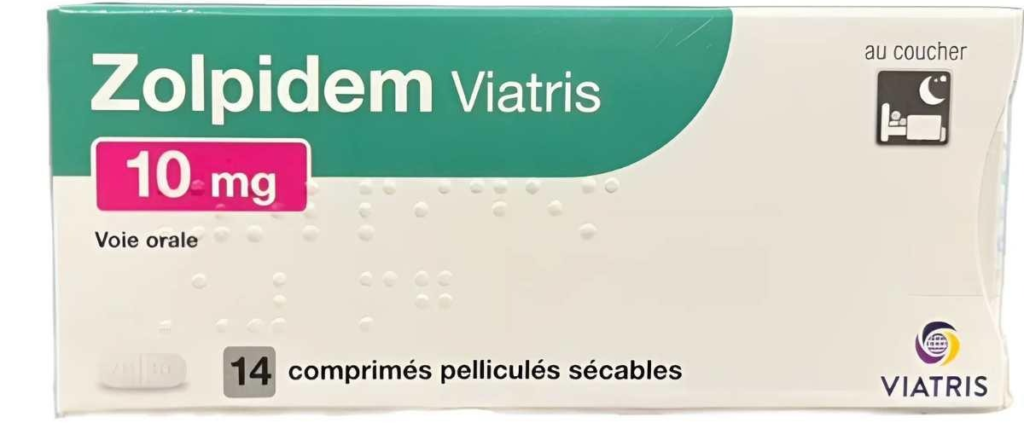
How Does Zolpidem Work?
Zolpidem works by enhancing the activity of gamma-aminobutyric acid (GABA), the brain’s primary inhibitory neurotransmitter.GABA naturally slows down activity within the central nervous system. By increasing GABA’s calming effects, Zolpidem reduces excessive brain activity, helping users relax and fall asleep more easily.As brain activity slows:
- Sleep onset is reduced.
- Relaxation increases.
- Night-time awakenings may decrease.
- Sleep quality may improve.
Unlike some older sleeping medicines, Zolpidem is generally intended to help initiate sleep rather than provide prolonged sedation throughout the following day.
What Is Zolpidem Used For?
Healthcare professionals commonly prescribe Zolpidem for adults experiencing short-term insomnia, including difficulty:
- Falling asleep
- Staying asleep (certain formulations)
- Achieving restorative sleep
- Coping with temporary sleep disturbances
It is generally recommended only when insomnia significantly affects daily functioning and other approaches have not provided sufficient relief.
How Long Does Zolpidem Take to Work?
Zolpidem is typically taken shortly before bedtime. Many people begin to feel its effects within a relatively short period after taking it, which is why it should only be taken when you are ready to go to sleep and can allow enough time for a full night’s rest.Response times vary between individuals depending on factors such as age, metabolism, overall health, and other medicines being taken.
How Long Do the Effects Last?
The effects of Zolpidem are generally designed to support sleep during the night.Because it is relatively short-acting, it may reduce the likelihood of next-day drowsiness compared with some longer-acting sleep medicines, although this can still occur in some individuals. Never drive or operate machinery if you feel sleepy, or your alertness is impaired.
Who May Benefit from Zolpidem?
The effects of Zolpidem are generally designed to support sleep during the night.Because it is relatively short-acting, it may reduce the likelihood of next-day drowsiness compared with some longer-acting sleep medicines, although this can still occur in some individuals. Never drive or operate machinery if you feel sleepy, or your alertness is impaired.
How Should Zolpidem Be Taken?
The effects of Zolpidem are generally designed to support sleep during the night.Because it is relatively short-acting, it may reduce the likelihood of next-day drowsiness compared with some longer-acting sleep medicines, although this can still occur in some individuals. Never drive or operate machinery if you feel sleepy, or your alertness is impaired.
Possible Side Effects
Like all medicines, Zolpidem may cause side effects.Common side effects include:
- Drowsiness
- Dizziness
- Headache
- Dry mouth
- Nausea
- Fatigue
Some people may also experience:
- Memory problems
- Confusion
- Sleepwalking
- Unusual behaviour during sleep
- Allergic reactions (rare)
If serious side effects occur, seek medical attention immediately.
Can Zolpidem Be Habit-Forming?
Yes. Long-term use may increase the risk of physical or psychological dependence.For this reason, healthcare professionals usually prescribe Zolpidem for short periods while investigating or treating the underlying cause of insomnia.Stopping treatment suddenly after prolonged use may lead to withdrawal symptoms or temporary rebound insomnia.
Who Should Not Take Zolpidem?
Zolpidem may not be appropriate for everyone.Speak to your healthcare provider if you have:
- Liver disease
- Breathing disorders
- Sleep apnoea
- Myasthenia gravis
- A history of alcohol or substance misuse
- Depression or other mental health conditions
- Pregnancy or breastfeeding
Your healthcare provider will assess whether Zolpidem is suitable for your situation.
Drug Interactions
Zolpidem may interact with other medicines that affect the central nervous system, including:
- Opioid pain medicines
- Anti-anxiety medicines
- Other sleeping tablets
- Certain antidepressants
- Sedating antihistamines
- Alcohol
Combining these medicines may increase drowsiness and the risk of serious side effects.Always inform your healthcare provider about all prescription medicines, over-the-counter medicines, and supplements you are taking.
Alternatives to Zolpidem
Medication is only one part of insomnia treatment.Healthcare professionals may also recommend:
- Cognitive Behavioural Therapy for Insomnia (CBT-I)
- Better sleep hygiene
- Regular exercise
- Stress management
- Relaxation techniques
- Limiting caffeine before bedtime
- Maintaining a consistent sleep schedule
For many people, these strategies provide long-term improvements in sleep quality.
Frequently Asked Questions
Is Zolpidem a sleeping tablet?
Yes. Zolpidem is a prescription sleeping medicine used for the short-term treatment of insomnia.
How quickly does Zolpidem work?
It is typically taken shortly before bedtime and begins working relatively quickly for many people.
Can I take Zolpidem every night?
Only if advised by your healthcare professional. It is generally intended for short-term use because prolonged use may increase the risk of dependence.
Can I drink alcohol while taking Zolpidem?
No. Alcohol can increase the sedative effects of Zolpidem and may increase the risk of serious side effects.
Is Zolpidem addictive?
Long-term or inappropriate use may lead to dependence. It should only be used exactly as prescribed.
Can older adults take Zolpidem?
Older adults may be more sensitive to its effects, including daytime drowsiness and an increased risk of falls. Healthcare professionals may recommend lower doses where appropriate.
When Should You Seek Medical Advice?
Consult a healthcare professional if:
- Your insomnia lasts for several weeks.
- You continue to have poor-quality sleep despite treatment.
- You experience troublesome side effects.
- You believe your medicine is becoming less effective.
- You suspect dependence or withdrawal symptoms.
Persistent insomnia may indicate an underlying medical or psychological condition that requires further evaluation.
Conclusion
Zolpidem works by enhancing the effects of GABA, a natural chemical that helps calm brain activity and promote sleep. It is commonly prescribed for the short-term treatment of insomnia when sleep difficulties significantly affect daily life. While it can be effective, it should always be used under medical supervision because of the potential risks associated with prolonged use. Combining appropriate medical care with healthy sleep habits often provides the best long-term results for improving sleep quality.